While waxes and coatings can offer a similar look and feel, they function and perform very differently. Here are a few differences to consider:
- LIFE: Concrete wax is a sacrificial coating and typically needs to be re-applied once every 1-2 years, sometimes sooner. Concrete coatings, however, are designed to last much longer. Acrylic coatings can last for around 5 years, and epoxy and urethane coatings can last for around 10 years.
- PERFORMANCE: Concrete wax offers some protection against surface abrasion and scuffing, but they offer no protection against oil, gas, and chemicals. Concrete coatings typically offer more protection against abrasion and scuffing, and some concrete coatings will offer protection against oil, gas, and chemicals.
- SURFACE PREPARATION: Concrete wax can be applied over a smooth, unsealed concrete surface, or over acrylic, epoxy, and urethane coatings. Wax is commonly applied with a microfiber mop to a clean and dry surface. When it comes to preparation, there is minimal preparation required for concrete wax. Concrete coatings, however, may require acid etching or diamond-grinding.
- BUILD: Concrete wax is a sacrificial layer designed to go on very thin, while coatings are usually designed to go on slightly thicker. How thick a concrete coating should be applied will depend on the concrete coating being used.
So which applications are appropriate for concrete wax? Which applications are appropriate for a concrete coating?
Concrete wax is great for applications where the applicator doesn’t want to grind or prep the concrete (other than cleaning), or remove an existing coating. It is also great in applications where the existing coating doesn’t need to be removed, and instead, simply needs an aesthetic refresh. Wax is easy to apply, easy to maintain, and offers several benefits. It can be used in living areas, and in commercial applications such as retail stores or warehouses. Waxes are sacrificial coatings however, and should not be used in applications where the wax will be exposed to oil, gas, or chemicals.
Concrete coatings are great for applications where additional durability is desired. If the applicator needs something resistant to oil, gas, chemicals, wheel traffic, or heavy foot traffic, then a concrete coating designed for their specific needs may be best.
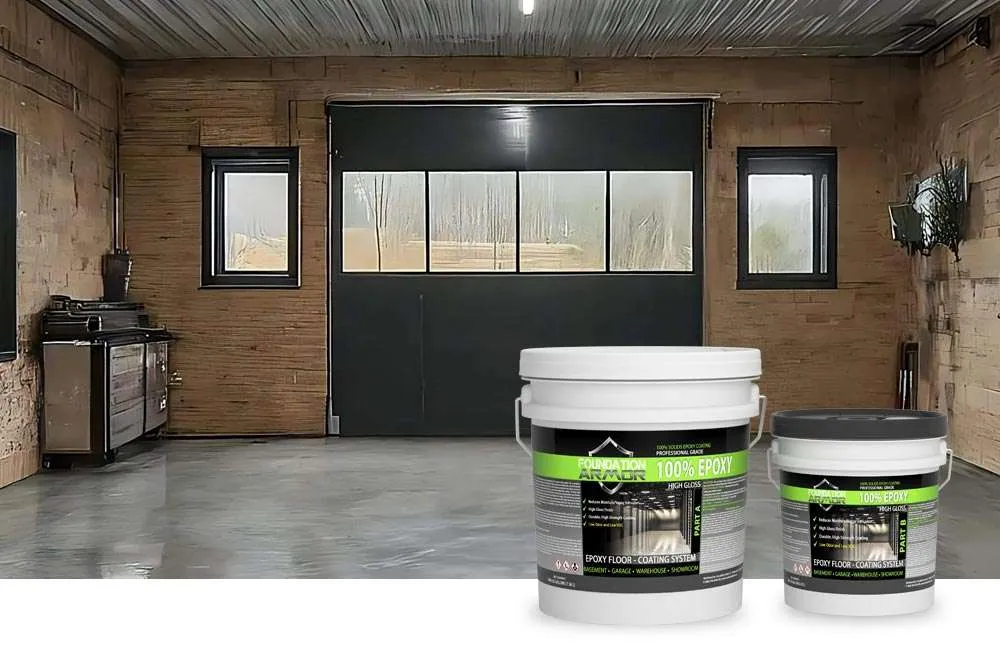
Not all concrete coatings are created equal. For example, acrylic sealers offer good abrasion resistance, but offer little to no resistance to strong chemicals or gas. Epoxy and urethane coatings are commonly used for applications where oil, gas, and harsh chemical resistance is required. Before choosing a concrete coating for your application, you’ll want to research the different types of concrete coatings available, and make sure their performance abilities are in alignment with your requirements.
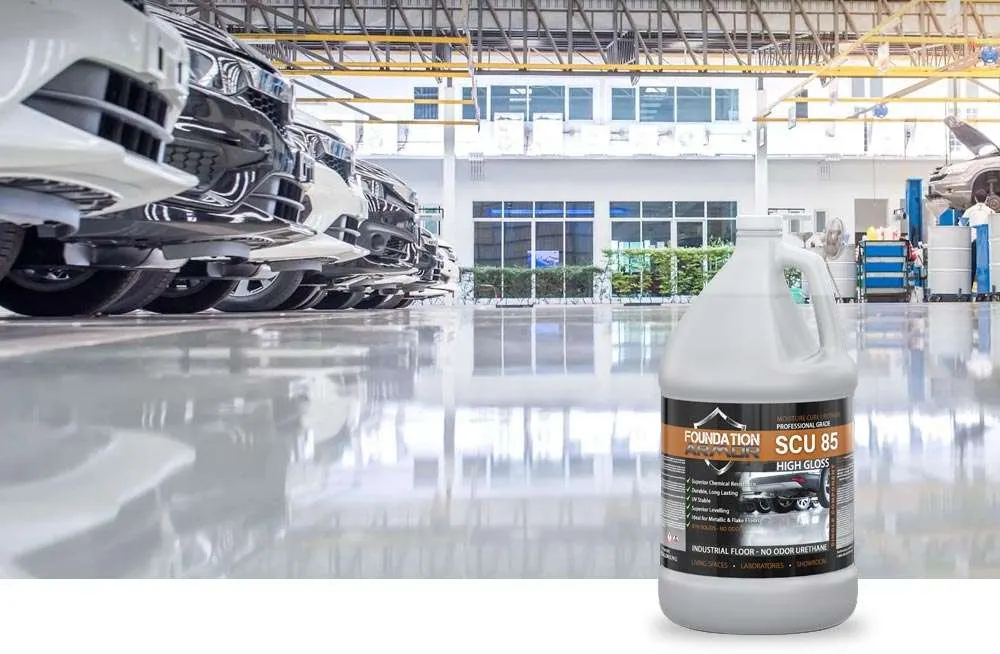
Waxes, acrylics, epoxies, and urethanes are all very different, but there are some applications where using a wax and a coating can be beneficial. It is very common for waxes to be used over coatings to provide an added level of abrasion resistance, and to help maximize the life of the coating. Waxes are also used to help refresh old coatings that are still in good condition, but have become dull.
Whether or not you need a wax, a coating, or both, will depend on several factors. Here are a few things to consider:
- What do you want the floor to look like once sealed?
- What do you need the coating to offer in terms of performance and resistance?
- How much surface preparation are you willing to do?
- How long do you want the coating to last?